Wednesday, October 22, 2014

THE OFFICIAL PRESENTATION - SHAPPING SOCIAL DESIGN. THE PEFORMATIVITY OF ART-DESIGN OBJECTIFICATION


THE OFFICIAL PRESENTATION
REPORT
THE TACARIGUA SCULPTURAL PLAYGROUND PROJECT.
FORM SHAPPING IN SOCIAL DESIGN.
THE PEFORMATIVITY OF ART-DESIGN.

Friday 17 October 2014- 7-10 a.m @ the Trinidad and Tobago Hilton Hotel; we presented to the national community the project. After long deliberations and back and forth, there would have come the time when the project will be mature enough to be presented. Its in this presence that it will find form, here it will speak, here it will come into the world, not of a whisper but of an acknowledgement of a wondrous adjective.
Here in the La Boucan Room, in the early morning of light, with salt fish, breads, eggs and an assortment of Juices, we made a performance, an oratory performance of voices, models, catalogs, programmes, food. All set the stage for consumption of thought. To keep minds open to digesting possibilities, finalities, direction, economics, politics, communalism, roles.

 
Model of Sew Saw.
On this day we lay not only on the red carpet an idea, we lay our souls, integrity, ethics, we placed a philosophy away of working that has certainties all wrapped up in how it can happen. This just can't be pulled out of a cardboard box, this is an investment in time, a struggle in finding values which belong within our communities, then in extension us. As I mentioned to one corporate citizen, it is brand building. 
We were saying, here, we can!, with you, we can. I understand that they will have to retreat to their meeting rooms have a conversation and return with roles, mandates for participation. I look forward to this. As I mentioned in a letter to Gillian Marcelle
photo by Joshua Lue Chee Kong

Hi Gillian,
On that note, Friday 17 we presented the Tacarigua Sculptural Playground Project to the national community. We got in attendance a small but influential group of people. What was noted was the comment made by Dr. Tewarie, who was impressed by the development of the idea, how the concept was develop as a concept, rather than a concept for money. This is important to note. We got some interest in the project and we will have to follow up on the interest that was shown.
Here now we sit at the cusp of something interesting, something that can contribute to a structural understanding of how we invest in innovation. So far the data is,
  • Develop a strong conceptual idea 
  • Negotiate properly
  • Collaborate well
  • Walk in-between conversations- which will allow people to understand properly what is being said
  • Know your terrain-socially, politically, economically  
This is just Part-1- innovation takes a lot to just find that one stage to make the other move to physical development.
Keep you posted.

      
photo by Joshua Lue Chee Kong
View of model


One view of the presentation space, the La Boucan Room, the Trinidad and Tobago, Hilton Hotel.

PRESENTATION SPACES
Ideally the presentation of the space should be in a room that can take manipulation, a little grey room will have been cool. Then you have the opportunity to manipulate the space to your intention. The La Boucan Room, is way busy. The carpet bright like sun, the shades and that little screen. Wanted a room that we could have easily created a sensation in design through easy manipulation. Maybe Hilton Hotel can invest in a Grey Presentation Room or a small white cube.
 
 
photo by Joshua Lue Chee Kong
Senator Dr the Honorable. Bhoendradatt Tewarie,
Minister in the Ministry of Planning and Sustainability
 
Dr. Tewarie, made an impressive presentation as a man of literature, a learned man who came from the bowels of UWI, politics and business. As the Minister of Planning and Sustainability. Dr. Tewarie, in my sense removed his hat temporarily and spoke as a man of letters; on hearing the virtues of the Tacarigua Sculptural Playground Project. As I'm thinking the other participants where. 
Negotiating through space an idea, that was once called the Sculptural Park, morphing into playground; why?
A lot of these things have to do with our society, with our education, our concept of art and our concept of design; and the inability of our cultural and education organization in supporting or organizing project that have strong conceptual cost factors.
 
 
   photo by Joshua Lue Chee Kong
Dada&Projects -
from left-Josimar Bholia, Prof. Rhoda Reddock, Dean Arlen, Valerie Taylor, Anna Lisa Arlen-Benjamin, Prof. Clement Imbert.
 
 
Dada&Projects has been formed to see other like minded projects will evolve into the light of day. This one project will give the NGO the working strength to grasp other projects and run with it. There is this need and there are other groups out there, as much as there are other playspaces, like the digicel playspace. What we want to bring to the open is the ideation of art-design, there have been other self made projects, built by hands and installed in our parks. Right there in the same savannah there is a home made built swing set.
What we want to add to this self making, Do It Yourself, DIY culture is the design ability component of DIY....this project says let us test our abilities in innovation. Let us find where we truly stand in the concept that we have in our mind that we're so very innovative and creative. There are several of the innovative aspects to this project.
  1. Designing from memory.
  2. Development through Participation in project management.
This project will bring to the light data, and so far the data as mentioned above of how we get a idea from one position to another position. In designing social positioning this ritual is important. This performativity with our community is as important as the idea itself. I have learned that I must push to the back my artist selfish orientation and struggle to be patient in the development exercise.
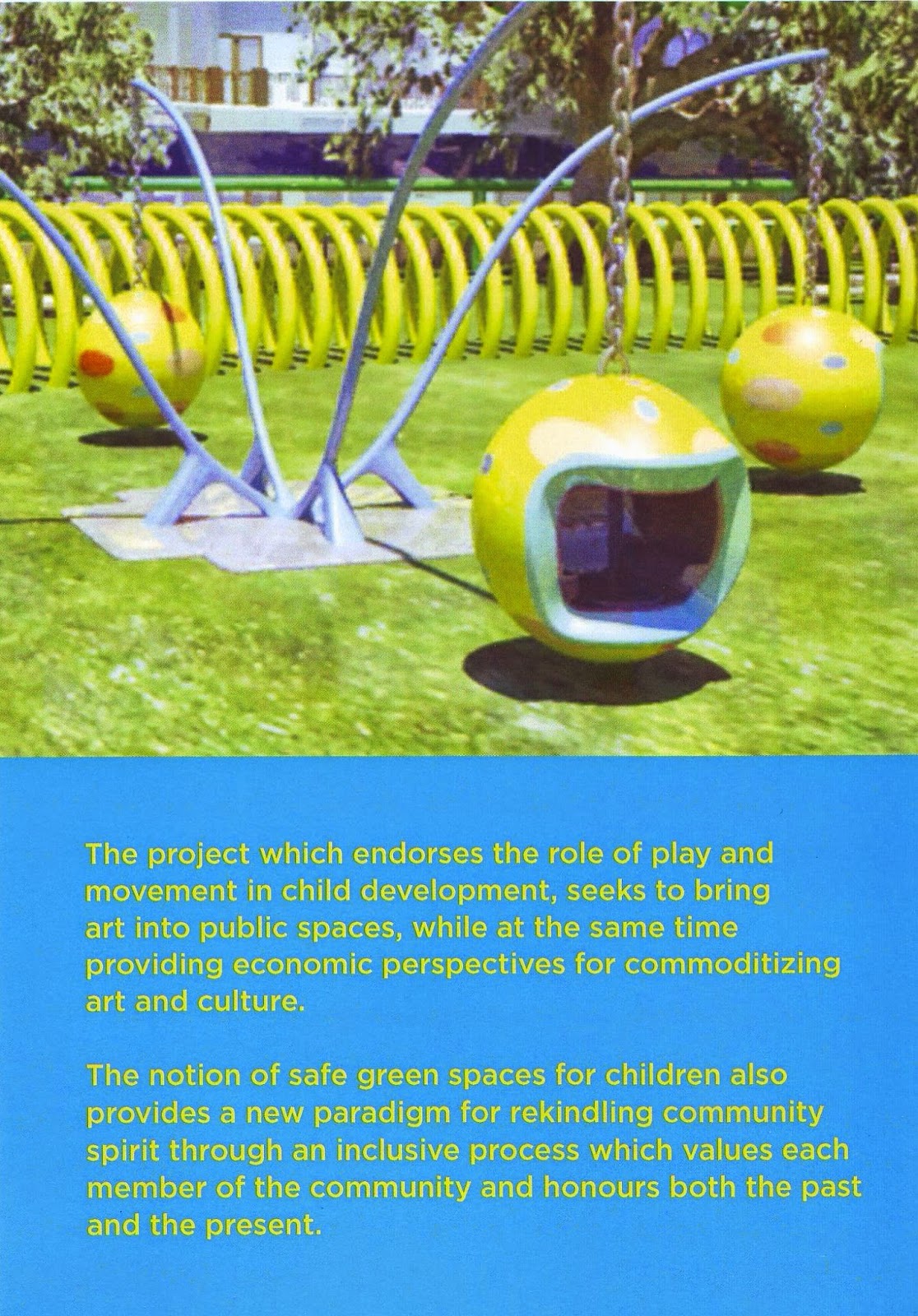
Bubble Swing Set.
 Social Art-Design has this process, long deep breaths, with an anxiety that comes, especially when as an artist in studio, I get the material, build, present, hell with it all.
There is another deliberation, and what happened on Friday 17 October, 2014. Was as necessary for the money but the sharing act of social design, to say there is something else, let us have a conversation, if you like what you see, let us talk about how we can see this happen. So far the response was enthusiastic. Let see where we can go from there. Energy changes suddenly. 
There was a wonderful mix between Valerie Taylor and Prof. Clement Imbert. Here were two different styles coming to make things light and serious. I will have liked to see Valerie walking not tied to the podium, getting to move around
 photo Joshua Lue Chee Kong
Valerie Taylor
As you see the screen is a still to small there should be a screen that makes presentations larger than life, monumental, awe inspiring. Behind the screen the curtain, the paintings, all the noise that exist in that challenge consumption of ideas.  


 photo by Joshua Lue Chee Kong
Prof. Clement Imbert
 
 
The little Grey Box or White Cube, a space where I can engulf a view in a participatory process that engulfs their body, a space where for a moment I can truly thief your head. Three Canal have the Black Box, maybe we can get a presentation space that will advance presentation to a level of serious fantastic. But this will be for the other presentation.
 
The story of an Art-design project continues.
 
Dean


Tuesday, October 7, 2014

INCLUSION VERSUS EXCLUSION- ART AND DESIGN IN DEVELOPING A COMMUNICATIVE TEXT-The Tacarigua Sculptural Playground Project. A case study in design development


BABA HOUSE - EASTERN MAIN ROAD, TACARIGUA. WALKING THROUGH MY COMMUNITY BROUGHT ME INTO CONTACT WITH MY PEOPLE. I WAS ABLE TO SEE THE SPACE INTIMATELY. TACARIGUA IS A HOMELY VILLAGE IN THE FLUX OF EVOLUTION.

INCLUSION VERSUS EXCLUSION.
ART AND DESIGN IN DEVELOPING A COMMUNICATIVE TEXT.
The Tacarigua Sculptural Playground Project. A case study in design development.  
Wednesday 1 October 2014


BOY RUNNING THROUGH OBSTACLE COURSE.

 
Some days or week or so ago, I stood on a stoop with a colleague speaking of process in construction; how the understanding of process; one can gauge the proper progression of a project. One understands possibilities of the craft man, the economics, what can be done, and in the presentation of the project to client the design sits with clarity, a hawk eye view, bringing understanding, patients, peace. The architect sees all, the client sees what they want, becoming myopic, distorting the critical discussion that is needed to complete the job. The project is deliberated, critic, delays, time overruns, runing up the client limited financial resources.

As an artist, who sits in the privacy of my studio, I’m usually away from this type of interpersonal reasoning. At time I will bounce thoughts off my partner, and even that isn’t in a collaborative position, more of an intellectual response of sorting out concepts. I’m lord in my domain; no one shall come onto me, dictator for life. The artist is the solitary creator in object making, we can say economics, galleries, and curators can sway the artist work. Still, this becomes  is a very private, internal influences that the artist come to terms with on an individual basis, roses versus bread.

Designers are faced with another type of concern and this is a production concern. In the process of design there are deeper relational values that must be considered. These happens in conversations in

·         PRELIMARY CONVERSATION – Sketch talks where the concept can be changed through words these conversation will happen a offices, coffee shops, informal spaces, drinks.

·         SECONDARY CONVERSATIONS – Here the concept is further critiqued, looking at something deliberate a model, drawings. Here we get things right on paper. Measurements, positioning for production.

·         THE THIRD CONVERSATION – The RHINO renderings, placing it through for DXF production.

·         THE FOURTH CONVERSATION – The reality of production, what can happen, in true sense of market haggle, a serious dialog in compromising on both sides is taken on the object.

The artist may reach the secondary conversation; designers must consider all four steps.
 
FIRE FOX - THE MIC MAN, WE WENT AROUND THE COMMUNITY ON SATURDAY ANNOUNCING TO THE COMMUNITY MEETING. I ALSO WENT AROUND ON FOOT HANDING OUT FLYERS.
 

DEVELOPING RELATIONAL VALUES FROM DESIGN.

As an artist who switches position from the solitude of the studio to the compromising position of relational politics of object making. I have developed an inclusionary way of making that allows the object to change through this process.

On the stoop, I questioned this with Sean; how did I achieve this manner of collaboration; was it my middle class upbringing, where I was taught to consider people feelings, to be polite, mannered? I was also taught to be fort-right. Designing have allowed me the opportunity to be people oriented, more social and mannered. My paintings are more self introspective, selfish, personal in my delivery to my community.

 
THE FLYER THAT I HANDED OUT-WE PRINTED 550. A SPRINKLEING OF PEOPLE TURNED OUT. HMM, MY RELIANCE ON COMMUNITY AS A SUPPORTER OF PROJECTS HAS A TWO MIND. BUT I UNDERSTAND THAT THERE MUST BE A STRUGGLE BETWEEN THE ARTIST AND THE COMMUNITY IN BRINGING INNOVATION TO COMMUNITY. YOU MAY EVEN HAVE TO PLET BIG STONES AT COMMUNITY TO GET THEM TO PAY ATTENTION.

THE TACARIGUA SCULPTURAL PLAYGROUND PROJECT IN MANNERS DEVELOPMENT.

Saturday 27 October 2014, at the Eddie Hart Grounds, aka Orange Grove Savannah; we had a community meeting one of the many interactions I have had with the community in conveying the project possibilities of transforming our communal space into a more empowering act of self determination. As usual a sprinkling of people showed up, which allowed for an intimate conversation of the direction of the project. Like how the word playground, could be changed to playspace; playground, presents in the imagination a concrete development, large over empowering, which some people in the community are protesting against.

I have always been two mind about community, the artist in me tells me, build it, install it, they will come. The designer in me, the secondary voice says, hey! Process, man, process to the final product means an inclusion as small and as invisible as the community is. I have to find a way to include them in.

I’m thinking a newspaper that will inform them of what is happening.

 
EVEN WHEN COMMUNITY RESPOND THEY COME WITH AN INTERESTING APPROACH TO IDEAS,AS THEY HAVE IDEAS. AT THIS POINT THE PROJECT MUST BE ABLE TO EVOLVE INTO SOMETHING ELSE. THIS IS ANOTHER INTERACTION THE DESIGNER MUST BE WILLING TO DEAL WITH. AS I MENTIONED TO A COLLEAUGE, AT GOOGLE-X, ALL THE DESIGNERS THERE WHERE NOT TRAINED AS DESIGNERS BUT AS BEHAVIOURIAL PYSCOLOGIST, PSYCOLOGIST ETC. THEY ALL DEAL WITH PEOPLE, AS DESIGN EVENTUALLY DEALS WITH PEOPLE.

CONCLUSION
These two voices in my head have allowed me the opportunity to be civil and rude boy at the same time, I have witnessed and understand the position of design and the position of art. This solitary behavior, have kept the artist from the world, keeping them in a perpetual underdevelopment. Designers interact with production in a very personal, interactive way, if done right can set a tract to an impressive re-positioning of art-design production, between industry and state.

In October 17, we will present the project to the national community for financial support. This was a deliberate position, just as we interacted with community it is important to interact with the wider citizens of the national community, business and state, people. Seeing, listening, and hearing how they respond to the project, to innovation. How we as artist, designers respond to them. The anthropological and psychological, economical and sociological nuances are all too important to miss out. Mr. Felix Bartholomew; Project Coordinator; have proposed a project management strategy, referred to as “Partnering”
FIRE FOX - THE MIC MAN.
 

PARTNERING
“Partnering is based upon mutual respect, integrity and trust (i.e., appreciation for the other party’s capabilities, firm adherence to common standards and values; and total confidence in the integrity, ability and character of the other party). In addition, it created a working environment in which the stakeholders work towards common goals and objectives. It also creates a smooth operation and a working relationship that allows for problems and differences to be resolved quickly, amicably and to the benefit of the parties/stakeholders.”
I can go on, but I’m sure that I have conveyed in this one paragraph the understanding of a modern social context that design can incorporate in it a social component of mannerism, rather than individual aspiration in project development.

The artist, exclusion; has allowed for the development of a strong independent voice; allowing me to develop a strong design process of inclusion in projects.

Dean Arlen. 

 
EDDIE HART SAVANNAH - AKA ORANGE GROVE SAVANNAH - AS I MEET PEOPLE AND YOU POINT TO THEM THE STATE, OR SPEAK TO THE GUY WHO PARKED HIS CAR THERE, WHEN TO THE LEFT THERE IS A CAR PARK, WHAT IS IT THAT COMMUNITY WANT, WHAT ROLE ARE THEY WILLING TO PLAY IN DEVELOPMENT AND MAINTAINING DEVELOPMENT. COMMUNITY IS IGNORANT OF THIS. THERE NEEDS TO BE A PARTNERING WITH COMMUNITY TO SHAPE THOUGHT ON THE NEW ROLE COMMUNITY EMPOWERMENT.


Tuesday, September 16, 2014

MANIFESTO - THE THEORETICAL IMPLICATION OF PLAY STRUCTURALISM- A PERFORMANCE IN SYSTEMS RE-INTERPRETATION - THE POLITICS OF ART IN THE SCULPTURAL PLAYGROUND PROJECT


MANIFESTO
THE THEORETICAL IMPLICATION OF PLAY STRUCTURALISM.
A PERFORMANCE IN SYSTEM RE-INTERPRETATION.
THE POLITICS OF ART IN THE SCULPTURAL PLAYGROUND PROJECT.
 
 16  September 2014.
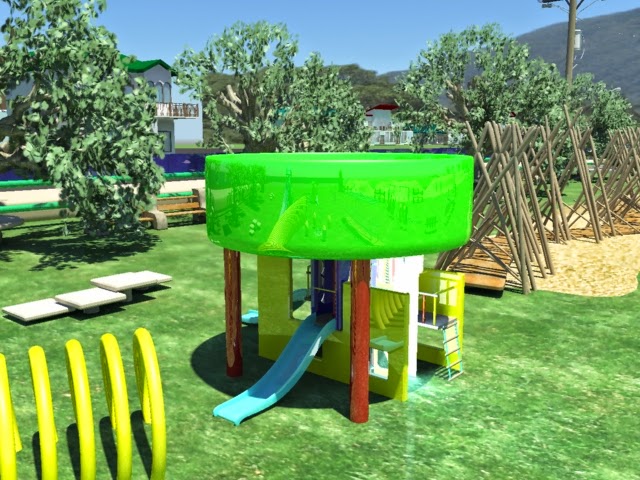
TREE HOUSE


 The State; position will be the art-objective subjugation and eventual re- Building conceptual objectivism or re-constructing the contextual object, into an interpretive physical location as a utilitarian art-design object. With all the personal conflicts that comes with that- labour, perspiration, purity, influence, economics, community shape shifting, formal politics of the state and finally; the politics of the object. The concept of memory within the radical, ethical and philosophical re-editing of objectification in the art-design object; is an important factor in revolutionizing post-colonial spaces. Memory has the possibilities of re-positioning art-design within the discourse of development of people; rather than an elitist’s privilege of fancy; decadence of power and wealth.   
construction of the aesthetic purpose into a political form; which can deconstruct and reconstruct in an oblivious nature of art-design potentialities; interferring the natural evolution of the politics of communal spaces. The object becomes tangled in the personal politico-ambitions of individuals and party, an innate form of Post Colonial political/educational heritage, which has evolved into Third-World Cultism.
The Sculptural Playground Project will insist that the art-design object be rethought, de-mystified, democratised; re-socialized in the proper mannerism due. 
LOCATION MAP OF SPACE
 Degrading; of the artists and in consequence the object; ensures that the art-object must at all time re-enforce its own politics, despite the formal state, attempts to install a cultural/art policy, which really insist in re-installing formal political ambitions through the desirability of the object. The party not the people becomes empowered in their strength in defining and empowering space. 
Global economic; rhetoric, which enforces certain conditionality’s onto the Third World object; developed through a position of Western philosophical thinking based on race based exploitation (slavery) and imperialism that have recently showed the world (post economic crash) its intention of personifying the hedonism of Western exploitation of labour and markets as the default position for global economic thought. It’s understood that economics must play an integral role in the ambitions of objectification. To be built, to be seen, displayed with all the ethical, philosophical and moral implication of a Third World objectification, there must be an attention to an economics or communal re-evaluation; which takes into consideration re-values the materialities.
HERE YOU CAN SEE THE CIRCULAR MOTION IN ACTION, THE OPERATIONAL MODEL OF THIS SPACE, WILL BE THE OPERATIONAL MODEL OF THE INNOVATION SPACE.
Aesthetic economics; must insist in some way, to challenge popular economic thought, at the state, social and the personal. It’s through a constant critical process; that is relational to the process towards the being of art objectivity; which will re-theorize a new political economic thought, absorbing the qualities of process, or, refining how economics operate around the development of the desirable object. We will re-evaluate labour; its personal position to the object; its personal relation to economics.
Aesthetics Politics; insist that we re-visit the social structure, de-construct purpose, and re-construct the criticality of purposeful art objectification, recalculating the politics of the social space. Understanding that within objectivity lays an inherent economic truth.
Aesthetics will have to evolve through principle, in the constant acceptance of the indigenous, objectivity must be analyzed within that context of constant context, constant dialog, constant construction, evolves an unavoidable truth of the politics of the art-designer, the state, the eventuality of economics of state, manufacturing, business, communality…
The Incubator Space; will be the operative physical intention of the Sculptural Playground Project, the ambition of developing its physical installation; will cultivate a constant dialogue; through process; eventually leading to theoretical and physical realities for the desirable object.
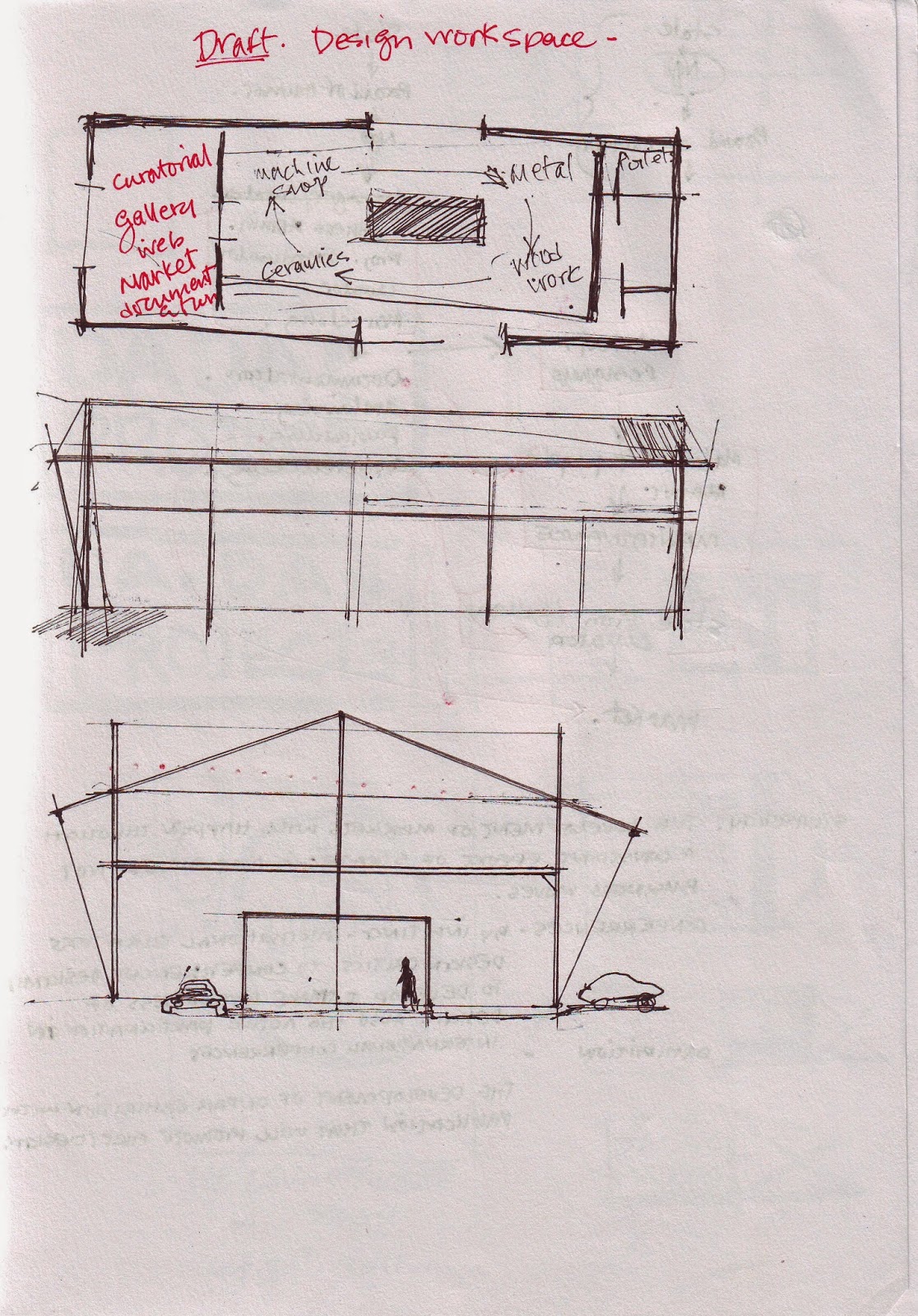
PROPOSED INCUBATOR SPACE - HERE WE WILL BE ABLE TO INACT THE ACTION TOWARDS THE POLITICS OF INNOVATION. THIS MEANS A PROJECT BASED CENTRE OF ACTIVISM, THAT IS GUIDED WITH CLEAR ARTICULATION TOWARDS THE DECONSTRUCTION OF THE STEROTYPICAL NOTIONS OF ART AND DESIGN.
There should be no hierarchy, no implied notion of one voice, just circular thought pattern that allow for destruction, growth, achievements, rewards and development of desirability. Circularity exists within physical spaces; the home, the office, the industrial, the communal. The space where the Sculptural Playground Project; is proposed to be installed; The Orange Grove Savannah, Tacarigua, Trinidad and Tobago, The Caribbean - there is an entrance/exit, circular walking track, rectangular football field, rectangle cricket pitch with circular form. Then there is the play-space, which runs in a circular form through the obstacle course.
What have been created are cell structures, which vibrates certain amount of energy, which can be absorb by the other cells, creating living organism of communalism, the village, the tribe. The intention is to imply that logic; of circular dialog to the physical incubator space. At the centre sits art desirable-objective, in a circular dialog will stand, craftspeople, artists, intellectuals, business peoples, engineers, architects, designers… forming a society for communities. 
The circular cell structure; are separate, at the same time involved with each other, operating when one is dormant, with a full appreciation that each form exist.
The concept of the invisible transient working forms existing within physical spaces, a physicality that can be utilized to construct physical art-objective dialogues using intellectual physical worlds (Non Physical Form), is plausible and already operates indigenously in our urban and rural spaces; owning their own eco-systems, they operate as mom and pop workshops, cell shops, virtual offices, pop-up stores, flexible industrials spaces, workshops etc. We need to harness the genetic molecules of memory of these spaces, pull from their veins indigenous engineering intellectualism; which can provide for the new desirability of consumption.
CELLS STRUCTURE.
 
The strength of the non-physical (Intellectual Physical Worlds, above chart) structure is that it exist, in the moment, we need to train that space to understand purpose; of intent; developing a belief in purpose; for art-design aesthetic politics. That understanding of purpose of art-design needs to be transmitted to our technical crafts people; that this purpose is not only about the language of technicality but a morality and emergence of a philosophy of purpose, and a criticality of that purpose. These Intellectual physical centres can be found within the urban landscape, that runs from the East; the City of Port of Spain to the city of Arima in the West.
These Institutions are:
  • The University of the West Indies, UWI – Research and Development Institution.
  • The University of the Trinidad and Tobago, UTT – Technical training institution; from fashion to engineering.
  • Metal Industries Company Limited, MIC – Craft Training Institution – Woodwork to Metal to foundry.
  • Independent Artists Groups – Studio 66, Alice Yard, Artists Society of Trinidad and Tobago, Institute of Architects Trinidad and Tobago, Planners Association of Trinidad and Tobago etc..
  • Independent workshops, crafts peoples, trades peoples…
THE PHYSICAL CENTRE MODEL - IN THIS SCENARIO THERE SITS A CENTRE, A HOUSE WHERE THE PHYSICAL CONTRUCTION TAKES PLACE. HERE WE WILL BE ABLE TO LIVE, BUILD, CONVERSE AT LENGHT WIDE VIEWS OF PROJECTS BEING ATTEMPTED. THE PHYSICAL CENTRE IS CONNECTED TO OTHER INNOVATIVE ACTIVITIES.
 
The physical centre (Incubator Space); model allows a more centred dialogue that gives credence to what we’re all doing, concentrating it into an intense
art-objective and emotional result, sustaining and deconstructing conceptual matter into physical and confrontational politics, theory, economics, social activism, technical data, local ritualism, cultural deconstruction/reconstruction, spiritual+religious metaphors, fantasy, dream building, planning, local philosophy, international relations, art design theory, class mobilization, economic reality, economic theory, gender relations… Here these constant are explored and visualized; to be instantly deconstructed once more.
Memory sits at the cornerstone of memorializing the contemporary post-colonial indigenous art-object for consumption. Art-Design sits at the centre of re-negotiating the indigenous object towards desirability.
 
THE NON PHYSICAL STRUCTURE  - IN THIS MODEL THERE IS AN INTERFACE THAT HAPPENS, MAYBE THROUGH A WEB LINK THAT KEEPS DATA ON ISSUES OF INNOVATION, IN REAL TIME. HERE THE DESIGN LOGS IN WITH PROJECTS, THERE PROJECTS CAN BE ENTERED INTO THE CONVERSATION.
Towards desirability of objectification; a face to face confrontation between class systems; of ethnicity, professional and gender needs to happen, this can  happen at the centre of physical model; within the circular process of production; lies the ability to deconstruct form. Developing an alternative understanding of indigenous intellectual, ethical and philosophical conceptualization of new formality. The new form with it inherent nobility sets the stage for how it will operate within the communal; the new forms ability to infuse nobility to people and space sits with its desirability, which sits in a design indigeneity. The relational to the internal spiritual intellectual understanding of reform is important to the deconstruction of the oppressive object.
Here, a moral reality can be set, in the other Non Physical Model, the moral and ethical hard talk that’s necessary slips, it may not be as intense, cyber space; becomes the acknowledge language, with the possibility of becoming masturbatory and imprudent.
Attention to a detailed discourse should not be lost, the 8th day wonder, the suffering of Attention Deficient Disorder, historical victimhood syndrome, the imperial notion of the individual as the new nationality, where the individual rather than the community is given currency.
Memory – within the Physical Centre Model or the Non-Physical Form Model of development; the constant in the dialogue is memory; or the recognition of the historical realities of space, people and the objects new desirability. Here lies the nucleus, in revolutionizing the desirability of the consumer-able design product. Challenging how production, imperialism and capitalism can operate within a space, a community and nation. Designing within memory of space and people, holds the possibility of evolving new paradigms for art, sculpture, architecture and design in post-colonial spaces, developing countries and ghettoized spaces in our communities. There can be no revolution without a historical thought in design conceptualization towards re-production, re-marketing and re-economics.
One practical model, to accomplishing this; we will look at what people have recorded in their personal memories through photos, social gatherings, parties, pictures of their personal spaces – kitchens, bathrooms, living rooms, bedroom. Studio photos from their past, pictures of their spiritual journeys, at the beach, just being. We will also go into real time space of the community to grab, pull, borrow, talk, feel what the community in real time is saying. Here you grab, pull, extract, borrow, till iconography is developed, grow it, nurture it till we have something that can affect feelings within that one person, family, friend, neighbour, community. A multitude of one iconography towards a communal feeling of well being is the idea, that individual cells build into one body, one community, one social cell structure. Bounded together through aesthetic empowerment, design... art.  What should happen, as we move from one community to another, we should find more similarities rather than opposites.
  
Conclusion, the desirable objectification, we all want for our personal spaces, can be achieved through the re-constitution of the desirable art-object. Political intention and confrontational dialogue between the artist-designer-crafts people-manufacture and state must happen, encouraged; towards the mannerism needed in the reconstitution of a new manifesto. There must be direct relations between the artists, the state (or at least a respect of intellectual capacity) and the capitalist system, made up of the manufacturers, business, technocrats, bureaucrats and other diverse communities.
This reconstitution should be able to re-evaluate system and put forward a new aesthetic policy.
This can only be established; when the intellectual worlds understand the goals of purposeful intention for the desirability of the new art-object.
Aesthetic policy must insist, that order prevails in the subjective order of the object, there is this consciousness in design, a critical content, which makes it live, this is the desirer, this is art motives, a democracy of intelligence, i.e. the democracy of criticality.
Awareness; We must engage the desirable object in a very communal conscious manner, through confrontation we will draw on truth, expose fakers, plagiarist and profiteers of the cultural art-object.
Through a consistent persistence to this objective order, confrontational aesthetic ordering, have the possibility of bringing an alternative political aesthetic ascension, from a dysfunctional normality, which can emulate and validate our human cultural characteristics.
An aesthetic policy democratizes not only the object, globalizes our intelligence; through process there is an internal and external physical and metaphysical evolution, that happening, that needs to be provoked and fed on; be reconstituted into the other.
This new art-design object aspires us to become that what we are not, it is the political acquisition of this aspiration through a revalued capitalist system that can restate communal space. We propose that this euphoria can be available to all.
There is a disturbing beauty in the corrupted version and I’m sure that we’re inclined to hold to, moving from an understated position to an aesthetic order means systematic willingness to impale into the already overburden system a sense of languaging that will speak to governability, economics, community and the politics of our own ambitions.
Present political theoretical realities and the aesthetic political theory of the Sculptural Playground Project to build a physical space where the art-designers can articulate theoretically and practically; a political and economic transformational discourse, developing emotional confliction; as it is presented to state, business and community.
Success lies in thought; the presentation of the theoretical proposition of the Sculptural Playground Project; if not another; is desired, if not for the survival of the art-designers community, the community in which we inhabit, our identity, but for our shear humanity as we negotiate space.
This is not new; it just needs to be built.
Dean Arlen


Wednesday, August 6, 2014

THE SCULPTURAL PLAYGORUND PROJECT 2012 Name of project or invention: Dean Arlen’s Sculptural Playground Project.


THE SCULPTURAL PLAYGORUND PROJECT 2012

Name of project or invention: Dean Arlen’s Sculptural Playground Project.


The aim of this project is to install “The Tacarigua Sculptural Playground” as the prototype for a unique Trinidad and Tobago model that would inspire national pride, promote national consciousness, build character and establish a distinctive identity among young Trinidad and Tobago nationals. This innovative project involves the use of indigenous design, construction and installation of 23 play-items in the Orange Grove Savannah, Trincity, Tacarigua.
It has been conceived as a community based project using the creative industries - art, architecture and artisanal crafts as a basis for the incorporation of art and design in local construction and urban development. This project has the potential to evolve into an incubator industry for indigenous art and design in construction projects for the local, regional and international market.

Why a Sculptural Playground?
International cultural, political and business leaders see cultural and artistic production as vital to creating the kind of environment in which people want to live, visit and invest.  The mark of a civilised nation is often measured by how much it supports and values its arts and supports cultural production.  The proposed sculptural playground will celebrate local art, design and artisanal skills as well as the community’s unique histories, ethnic diversity and their contribution to leadership and national development. This playground project will develop a basis for the design and production of uniquely designed play items which through interaction with the community and or the clientele results in continuous innovation, unique design and product development.

Why Play?
According to psychologist Susan Linn:
“Most child development experts agree that play is the foundation of intellectual exploration.  It is how children learn how to learn. Abilities essential for academic success and productivity in the workforce such as problem solving, reasoning, and literacy all develop through various kinds of play, as do social skills such s cooperation and sharing (Linn, 2008:12-13).”

She notes that:
 “...play has healing powers and leads to self-understanding and personal growth.” She continues:
“But pretend play provides children with a much more than that.  It affords them the opportunity to learn invaluable skills – to immerse themselves in experience, solve problems, create possibilities where none exist, learn what it’s like to be someone else, and make something new form that which already exists(Linn,2008:22-23)

Today there is a growing recognition of the importance of play in children’s lives and as this society seeks to address many of the problems of dysfunctional child development, this assumes greater significance. Today there is an increased demand for play spaces as evidenced by the establishment of play spaces in shopping malls and at multinational fast food outlets.  This project presents the possibility for locally designed and crafted play items that can fire the imagination of young citizens in a way that imported, chain produced items are unable to do.
Our children should be able to play in spaces that develop their ways of seeing, their confidence and articulation of self.  Just by seeing this space and engaging with these fantasies, fantasies derived from their own cultural and historical context, therefore [unlike with Disney], the children will and can believe in themselves.  The sculptural playground space is designed to facilitate this self-learning. It will be a space that allows the child to be a child, and to believe and act on this; giving them the room for a far-reaching experience in traditional play without the beeps, buzzers and ring tones of contemporary life.  The traditional ‘plastic’ playgrounds are not designed to stimulate the imagination.  Rather they seek to confine the child within existing social and cultural norms.
The project is conceived as collaboration between the state; private sector and community that will build on existing synergies in a cooperative effort. In the initial phase it seeks to use communal and corporate financial resources to develop, construct and install the prototype. This request seeks to access funds for the first phase of this project, to develop the prototype and a presentation to access capital for the installation of this initial project.  This project will then provide the incubator for similar projects or similar production of play items in other spaces locally, regionally or elsewhere in the world.
In this development phase of the project, efforts will be made to actualize and create an urban design company that will market designer play-items specific for urban, rural and private spaces, locally, regionally and internationally.

Objectives
The objectives of this development phase of the project are:

1.     To extend the reach of the artist beyond the walls of the gallery to people of all classes and economic groups;
2.     To develop work that is artistic but also functional providing examples of urban art and design. This should be a beacon to a new generation of artists who will see a role for functional art and design in addition to the solely aesthetic or conceptual.
3.     To provide a prototype of a new innovative incubator industry based on indigenous art and design with potential for future development;
4.     To develop a collaborative production system for the creative industries involving artists, architects, planners, engineers and artisans.
5.     To involve community members, schools, vocational training programmes and university students in new forms of innovative indigenous creativity and skill development.
6.     To develop a work of art for all to admire, creating pride and a sense of ownership in the hearts and minds of the community.
7.      To encourage a stronger sense of community through activity among adults and children of varying ages in community playgrounds  around the country.

This project also has the potential for the further development of other art/design projects such as:
1.                      Furniture, living designs for urban and rural spaces.
2.     Other innovative urban designs projects that could be marketed to state, private consumers, UN bodies, regional institutions and the international community.

This project will also encourage patenting and copyright registration and so increase this country’s position on the innovation index, in which we are poorly represented at this time.

Target market/clientele
This project will be marketed to any client, community or entity that requires a unique artistic, designed product, specifically designed and tailored for specific spaces, locations and communities. We will target entities that are sensitive to specific criteria for site-specificity, indigenous design, local production, environmental sustainability and community participation.  This could include but would not be limited to:

·      State Urban development corporations
·      NGO’s who are interested in development projects in South-South spaces,
·      State organizations within the region and internationally,
·      Private sector organizations with progressive Corporate Social Responsibility (CSR) programmes;
·      Innovative communities interested in introducing art/design projects in their communities
·      Innovative and creative branding companies under certain specified conditions;
·      The international art market including - design shows, curators, museums, galleries, art writers and publications, etc.


What makes this idea unique or original?
This project is unique not only in Trinidad and Tobago and the Caribbean but in the entire world. Each sculptural item represents a synergy between art and product. The uniqueness of the idea is not only the play-items themselves as a marketable creative product, but also the overall intention of the project to create unique products based on a consideration of  the sensitivity of each space. This allows for the development of an art-design product that remains competitive and continuously evolving. It is also about how the project operates within these spaces – they will act as empowering tools - challenging how communities understand and experience play and space.
 Designer spaces are becoming very lucrative spaces as they capture the imagination of designers as cathedrals and museums do.
 
  Location
The Orange Grove Savannah, Tacarigua, 
On the 24th of December 2004, the then Permanent Secretary Mr. Trevor Percival, Ministry of Youth and Sport gave permission for a portion of the Orange Grove Savannah, Tacarigua to be used for a Sculptural Playground Project to be installed. I have met with the Minister of Sport (owners of the land) Mr Anil Roberts and his colleagues of the Sport Company, the Chair of the Tunapuna Regional Corporation (custodians of the land), Khadijah Ameen and community organizations.

Work Plan/Timeline

1.    Community Consultation (2010-2011)
Interventions were made in four schools in the Tacarigua community area with the support of teachers and parents.  Children in four schools were consulted and asked to draw designs of their ideal play spaces.  These drawings provided some of the inspiration for the designs that have been produced. Consultations were also held with a number of community organisations.
DURATION – 6 MONTHS PRIOR TO CONSTRUCTION (The community consultation and involvement will unfold with the project)

2.     A formal public presentation to potential corporate sponsors/investors, community members and related state entities – Last Quarter 2012
This will take place at the proposed site of the sculptural playground.  The proposal and plan will be presented to members of the corporate sector (energy and other), state bodies of relevance to the project e.g.  Town and Country Planning - Ministries of Planning and Development, Arts and Multiculturalism, Sport, Gender, Youth and Child Development. the Environment Management Authority and educational institutions such as the schools in the area, the Metal Industries Company, The University of the West Indies and the University of Trinidad and Tobago.

DURATION – 1YEAR
3.3.         4.    Continued Community Mobilisation and Involvement
A community mobilisation officer will be hired who will ensure community ownership of the project and their involvement at certain key points.
DURATION – THIS WILL FOLLOW THE PROJECTS EVOLUTION.
5.     Analysis and Development
With the successful installation there will now be a basis for evaluation, analysis and documentation of the process. In particular the production process can be analysed and streamlined with a view to production and the development of a systematic production process system.  This can then be adapted to suit the needs of specific production contexts.
DURATION – 1YEAR
 We see this project lasting a period of four years. Three years construction, one year analysis.
Four years include prepping, logistics, mobilization, delays, climate, analysis etc. The project can be morphed to enable pro-activity.

How will it transform the lives of people and the country?
 This project will do this in a number of ways:

·      It will be seek to raise the level of local artisanship by challenging the skill level of our artisans, technicians, engineers, academic institutions including  secondary schools and the manufacturing community. Through the formation of a cluster community of artisans – welders, plumbers, mould-makers, structural engineers etc. we will be able to stimulate a high level skilled, intellectual and philosophical approach to creative industry stimulating new areas of manufacture. These individuals would then return to their bases, developing a new, more creative and progressive practice that will transform the quality and aesthetics of their artisanal or engineering production.  I am proposing a product based on a philosophical approach that sees community spaces not as a backdrop but locations of interaction and the connectivity among people.   

·      This project would also develop a new awareness of the significance of the use of art and design in public spaces and the economic and social potential of this for the entire society.

·      This project also reinforces the need for indigenous creativity and can explore the potential of economic viability of local artisanal production

·      Provides new possibilities for economic diversification based new developments in local artisanal production thus generating new avenues of sustainable employment.


Sources of Additional Funding

Plans are in train for approaching the local corporate sector especially through their Corporate Social Responsibility Programmes for their support as well as international art funding organisations.  The support of the state would also be sought especially for the initial presentation event.


Additional Comments.

DESIGNING THROUGH MEMORY.
The question of how we design through memory.  Is one of the highlights of this project. We will have a constructed platform, of real time data for developing a mechanism through which memory design can become a design paradigm in architecture, planning and design.


Resources Required and their Costs


References


Susan Linn (2008). The Case for Make-Believe: Saving Play in a Commercialized World, New York, The New Press